How to End Presentation: A Creative Guide
Learn how to end presentation speech effectively with Krikey AI Animation. Use our AI Character Generator to create a talking 3D avatar that leaves a lasting impression on your audience.

Key Takeaways about How to End Presentation Speech
- A memorable closing ensures your main message remains with the audience long after the slides disappear.
- Visual surprises, such as a custom AI character, can differentiate a standard talk from a world-class presentation.
- Ending with a clear call to action or a unique storytelling element provides a sense of closure and purpose.
What is How to End Presentation Speech?
- It is the final impression you leave, often determining the overall success of your communication.
- A strong ending summarizes key points while inviting the audience to take the next step.
- Innovative speakers now use digital twins and custom 3D avatars to provide a modern twist to traditional closings.
Ways to use Krikey AI for How to End Presentation Speech
Traditional closings often fade into the background. By integrating Krikey AI Animation, you provide a high-impact visual that keeps the room attentive. Whether you are presenting in a boardroom or a classroom, a personalized 3D avatar can deliver your final remarks with flair.
Create a Digital Twin for Final Remarks
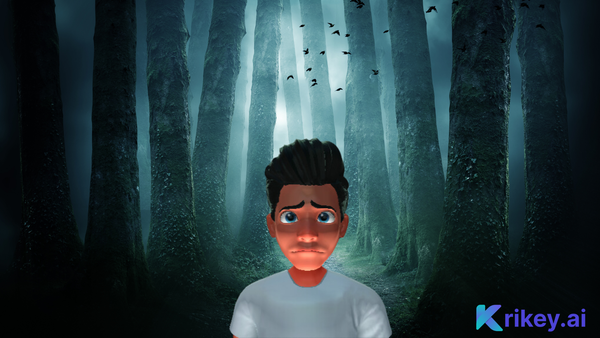
Use the AI Character Generator to build a "mini-me" that matches your professional style. This character can deliver your closing quote or a summary of your data, making the information more digestible and visually interesting.
Incorporate a Singing or Talking Mascot
If the tone of your presentation allows for humor or creativity, a cartoon-style character can sing your "thank you" message or tell a short, relevant joke. This unexpected element ensures your audience leaves with a positive memory.
Interactive Call to Action
Instead of a static "Any Questions?" slide, have your AI character point to your QR code or social media handles. This dynamic movement naturally draws the eye and increases the likelihood of audience follow-through.
How to make How to End Presentation Speech with Krikey AI Animation
- Upload a photo and use the Krikey AI Character Generator. Choose any style from Anime to Mini Me or Cartoon.
- Input your text prompt or closing script into our AI-powered voice generator or upload your own audio for perfect lip-syncing.
- Export your animation video and drop it into your final PowerPoint, Keynote, or Google Slides.
Why Krikey AI Animation is perfect for How to End Presentation Speech
Krikey AI provides a seamless bridge between complex animation and simple execution. You don't need a background in 3D design to create professional-grade visuals. Our platform is built to help speakers captivate their audience through storytelling that feels fresh and tech-forward, ensuring your message is heard and remembered.
Final Thoughts on How to End Presentation Speech
The way you conclude a talk is just as important as the way you begin. By utilizing Krikey AI Animation, you move beyond the standard bullet points and offer a unique experience. Start your free trial today and see how a custom character can take your next presentation to a professional new level.
Frequently Asked Questions (FAQs) about How to End Presentation Speech
These are frequently asked questions about how to end presentation speech.
What are the best ways to end a speech?
Effective endings include a strong call to action, a provocative question, or a creative visual element like an AI animation.
How can I make my closing more memorable?
Using a custom AI character to deliver your final points adds a "wow" factor that traditional slides cannot match.
Can I use Krikey AI in PowerPoint?
Yes, you can export your Krikey animations as video files and easily embed them into any presentation software.
Do I need design skills to use the AI Character Generator?
No, the interface is intuitive and designed for professionals in all fields to create characters quickly.
Why is the final impression of a speech so important?
The "recency effect" suggests that audiences remember the last thing they hear most clearly, making your closing critical for retention.