3D Animation Examples: Styles, Ideas & How to Create Them with AI
Generate 3D animation examples fast with Krikey AI Text to Animation for social media, lesson plans, marketing campaigns, gaming and more. Customize characters for your 3D animation examples.

3D animation examples showcase how fully rigged digital characters, objects, and environments can be brought to life using depth, lighting, and movement. From cinematic storytelling to marketing visuals and educational content, 3D animation remains one of the most versatile creative mediums.
Creators often explore different 3D animation styles examples to understand how tone, realism, and character movement vary across projects. Whether building a portfolio, experimenting with new aesthetics, or comparing 2D vs 3D animation examples, reviewing examples helps clarify which approach best fits a creative goal.
Modern AI-powered platforms like Krikey AI now make it possible to generate 3D animation examples using simple text prompts, reducing the need for complex software workflows.
Key Takeaways on 3D Animation Examples
- 3D animation examples demonstrate how digital characters and environments use depth, lighting, and movement to create realistic or stylized visuals.
- Popular 3D animation styles examples range from cinematic storytelling to stylized character animation and marketing visuals.
- Reviewing examples of 3D animation helps creators understand modeling, rigging, lighting, and motion techniques.
- Many artists use 3D animation portfolio examples to showcase character animation, environment design, and technical skills.
- AI-powered tools like Krikey AI allow creators to generate 3D animation prompt examples quickly using text-based workflows.
What Are 3D Animation Examples?
3D animation examples refer to animated visuals created using computer-generated three-dimensional models that simulate depth, lighting, and realistic movement. Unlike 2D animation, which relies on flat imagery, 3D animation allows characters and environments to move within a digital space that mimics real-world perspective.
These examples may include short character performances, cinematic sequences, product visualizations, game-ready motion clips, or educational demonstrations. Many 3D computer animation examples highlight how modeling, rigging, lighting, and rendering work together to create immersive digital experiences.
By reviewing different examples of 3D animation, creators can better understand the range of visual styles, motion techniques, and storytelling approaches possible within three-dimensional design.
Examples of 3D Animation
Examples of 3D animation appear across entertainment, gaming, advertising, education, and digital media. These animations use computer-generated models, lighting systems, and camera movement to create depth and realism within a virtual space.
Common 3D computer animation examples include:
- Character-driven scenes featuring expressive facial animation and full-body movement
- Product visualizations showcasing rotating objects and detailed textures
- Game character animations such as walking cycles, combat movements, and idle loops
- Explainer videos with a talking avatar or virtual mascots
- Environmental animations that simulate weather, lighting changes, or dynamic scenery
Many of these projects center around 3D character animation, where digital characters are rigged with skeletal systems that allow for lifelike motion and performance.
Studying diverse examples of 3D animation helps creators understand how modeling, rigging, lighting, rendering, and camera dynamics combine to produce immersive visual storytelling.
3D Animation Styles Examples
Different 3D animation styles examples demonstrate how tone, realism, and artistic direction can dramatically change the look and feel of a project. From highly realistic simulations to stylized character-driven visuals, 3D animation offers a wide range of creative possibilities.
Here are some common styles found in examples of 3D animation:
Realistic 3D Animation
Often used in films, architectural visualization, and product design, realistic 3D animation focuses on lifelike textures, lighting, physics, and subtle character movement.
Stylized Character Animation
Stylized 3D character animation emphasizes exaggerated expressions, bold proportions, and playful motion. This approach is commonly used in animated storytelling and branded mascot content.
Cinematic Animation
Cinematic 3D animation examples use dynamic camera angles, dramatic lighting, and detailed environments to create immersive scenes.
Educational & Explainer Animation
These examples prioritize clarity and movement over realism, using simplified characters and environments to communicate ideas effectively.
Family-Friendly / Feature-Inspired Styles
Some creators explore bright, expressive, and emotionally driven character styles inspired by popular animated films. These stylized approaches focus on personality, storytelling, and polished rendering techniques.
Exploring different 3D animation styles examples helps creators determine which visual direction aligns best with their creative goals, audience, and project requirements.
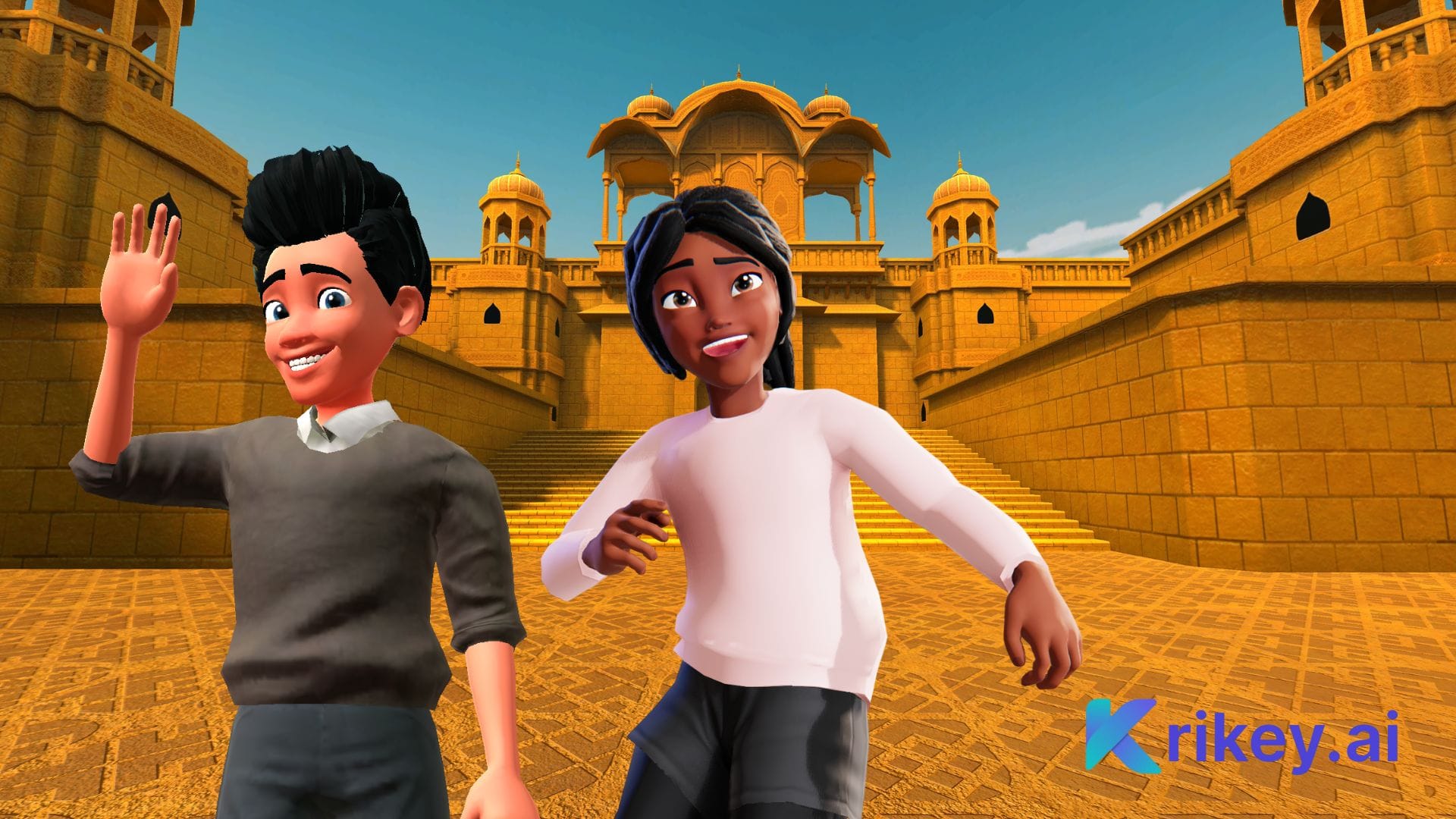
Ideas for Creating 3D Animation Examples
If you're exploring ways to build your own 3D animation examples, starting with simple, focused concepts can help you experiment with motion, character performance, and visual storytelling.
Here are practical 3D animation prompt examples and project ideas to try:
Character Performance Example
Create a short scene where a character introduces themselves, reacts emotionally, or delivers a short monologue. This is a strong foundation for 3D character animation and portfolio clips.
Product Showcase Example
Animate a rotating product with dynamic lighting and camera movement to simulate a commercial-style presentation.
Educational Clip Example
Design a character explaining a scientific concept, historical event, or instructional topic. These 3D computer animation examples work well for digital learning content.
Event Invitation Example
Generate a character welcoming guests to a birthday party, corporate event, or themed celebration. This format is popular for shareable digital animations.
Social Media Content Example
Create short, expressive 3D character clips designed for platforms like TikTok, Instagram Reels, or as a VTuber Maker for YouTube Shorts. Brief animations featuring strong facial expressions or dynamic gestures often perform well as attention-grabbing digital content.
Cinematic Micro-Scene
Create a short, dramatic environment scene featuring lighting shifts, camera pans, and subtle character movement.
With AI-powered platforms like Krikey AI, creators can generate 3D animation examples by using AI Text to Animation and typing descriptive prompts such as:
- “A confident presenter introducing a new product.”
- “A cheerful mascot celebrating an event.”
- “A futuristic character explaining space travel.”
These text-based workflows allow for rapid iteration, making it easier to experiment with new styles and build a diverse library of examples.
3D Animation Portfolio Examples
When reviewing 3D animation portfolio examples, the focus shifts from general inspiration to professional presentation. A strong portfolio demonstrates both creative ability and technical understanding of 3D workflows.
Effective 3D animation portfolios often include:
Character Animation Clips
Short sequences showcasing walk cycles, facial expressions, dialogue scenes, or emotional performances. These examples highlight skill in 3D character animation, timing, and body mechanics.
Cinematic or Environment Scenes
Demonstrations of lighting, camera movement, and environmental storytelling. These examples show understanding of composition and visual mood.
Technical Demonstrations
Breakdowns of modeling, rigging, or rendering workflows. Some creators include wireframes or before-and-after comparisons to showcase technical depth.
Product or Commercial Visuals
Polished animations that resemble brand advertisements or product showcases. These examples emphasize realism, texture detail, and smooth motion.
Many artists curate their 3D animation portfolio examples into short demo reels (30–90 seconds) using an AI reel generator, focusing on clarity, variety, and polished execution.
For creators using AI-driven workflows, portfolio pieces may also include 3D animation prompt examples, demonstrating how text-based ideas translate into finished animated results.
2D vs 3D Animation Examples
When comparing 2D vs 3D animation examples, the key difference lies in depth and visual dimensionality.
2D animation examples rely on flat illustrations that move across height and width. These animations often emphasize stylized line work, graphic design elements, and expressive motion without simulated depth.
In contrast, 3D animation examples use computer-generated models with lighting, perspective, and spatial movement. Characters can rotate, environments can shift dynamically, and camera angles can simulate real-world cinematography.
Both approaches are widely used across entertainment, marketing, and education. The choice between 2D and 3D animation depends on creative goals, audience expectations, and production style.
For a more detailed breakdown, explore our full comparison of 2D and 3D animation.

How to Create 3D Animation Examples Using AI Tools
Modern AI tools have simplified the process of creating 3D animation examples, allowing creators to generate animated scenes without complex modeling or manual keyframing. Instead of building everything from scratch, AI-driven workflows use text prompts and customizable templates to accelerate production.
Here’s a simple step-by-step process:
Step 1: Choose a 3D Character or Scene
Start by selecting a 3D character model or environment. Many AI platforms, like Krikey AI, provide ready-made characters that can be customized for different styles, from professional presenters to stylized animated figures.
Step 2: Write a Clear Prompt
Create a descriptive prompt outlining the action, mood, or dialogue you want in your animation. For example:
- “A confident presenter introducing a new product.”
- “A cheerful character celebrating an achievement.”
- “A futuristic robot explaining space travel.”
Clear prompts help generate strong 3D animation prompt examples with focused motion and expression.
Step 3: Generate Animation and Dialogue
AI tools can automatically animate characters based on your text input. Some platforms, such as Krikey AI, allow you to type dialogue that is instantly converted into lip-synced speech, creating dynamic 3D character animation in seconds.
Step 4: Customize Movement and Style
Adjust facial expressions, gestures, camera angles, or backgrounds to match your creative goals. This allows you to experiment with different 3D animation styles examples without rebuilding your project.
Step 5: Export and Refine
Once complete, export your animation clip for use in portfolios, social media, marketing materials, or educational projects. You can iterate quickly by adjusting prompts and regenerating variations to build a diverse collection of examples.
Using AI tools dramatically reduces the technical barriers traditionally associated with 3D computer animation examples, making it easier for beginners and professionals alike to prototype and produce engaging animated content.
Frequently Asked Questions (FAQs) about 3D Animation Examples
These FAQs explore how 3D animation examples appear across entertainment, education, and advertising — and how Krikey AI makes it easy for creators and businesses to produce stunning 3D animated content quickly and effectively.
What are some 2D vs 3D animation examples?
When comparing 2D vs 3D animation examples, the main difference is dimensional depth.
2D animation examples include flat, illustrated characters moving across a two-dimensional plane. These are commonly used in cartoons, explainer videos, and graphic-style storytelling.
In contrast, 3D animation examples feature computer-generated models with depth, lighting, and realistic camera movement. Examples include animated films, video game characters, product visualizations, and cinematic scenes. The choice between 2D and 3D depends on artistic style, project goals, and production workflow.
How can I generate 3D animation portfolio examples?
To generate strong 3D animation portfolio examples, or perhaps as an alternative to Mixamo, focus on short, polished clips that demonstrate specific skills. Include character performances, walk cycles, dialogue scenes, or environment shots that highlight lighting and composition.
AI-powered tools can help accelerate portfolio creation. For example, platforms like Krikey AI allow creators to generate 3D character animations using text prompts, making it easier to prototype ideas and build a diverse demo reel.
Aim for clarity, strong timing, and variety when assembling your final portfolio.
What are some 3D animation styles examples?
Popular 3D animation styles examples include realistic cinematic animation, stylized character-driven animation, educational explainer visuals, and commercial product showcases.
Some creators explore bright, expressive, feature-inspired character styles that emphasize emotion and storytelling, while others focus on highly realistic rendering techniques. Reviewing different examples of 3D animation helps determine which style aligns with your creative goals.
How do I create 3D character animation?
Creating 3D character animation traditionally involves modeling a character, building a rig (skeletal structure), and manually animating movements using keyframes.
Today, AI tools simplify the process. You can select a pre-rigged 3D character, type a dialogue or action prompt, and generate animated motion automatically. This approach allows beginners and professionals alike to experiment with character performance without complex software workflows.
Focus on expressive facial movement, natural body mechanics, and clear timing to create engaging character animation examples.
How can I make Pixar-style 3D animation examples?
To create Pixar-style 3D animation examples, focus on expressive characters, polished lighting, emotional storytelling, and smooth motion. This style is often characterized by vibrant colors, exaggerated facial expressions, and cinematic camera movement.
While professional animated films require advanced production pipelines, creators can experiment with feature-inspired, family-friendly character styles using modern 3D tools. Emphasizing personality and storytelling is key to achieving a similar feel.
What are 3D animation prompt examples?
3D animation prompt examples are text descriptions used to generate animated scenes through AI tools. Instead of manually animating every frame, creators describe the action or dialogue they want to see.
Examples include:
- “A confident presenter introducing a new product.”
- “A cheerful mascot celebrating a milestone.”
- “A futuristic robot explaining space travel.”
Clear, specific prompts lead to stronger animated results. Prompt-based workflows make it easier to experiment with different scenes and rapidly build a collection of 3D animation examples.